In-House Capability
Welding
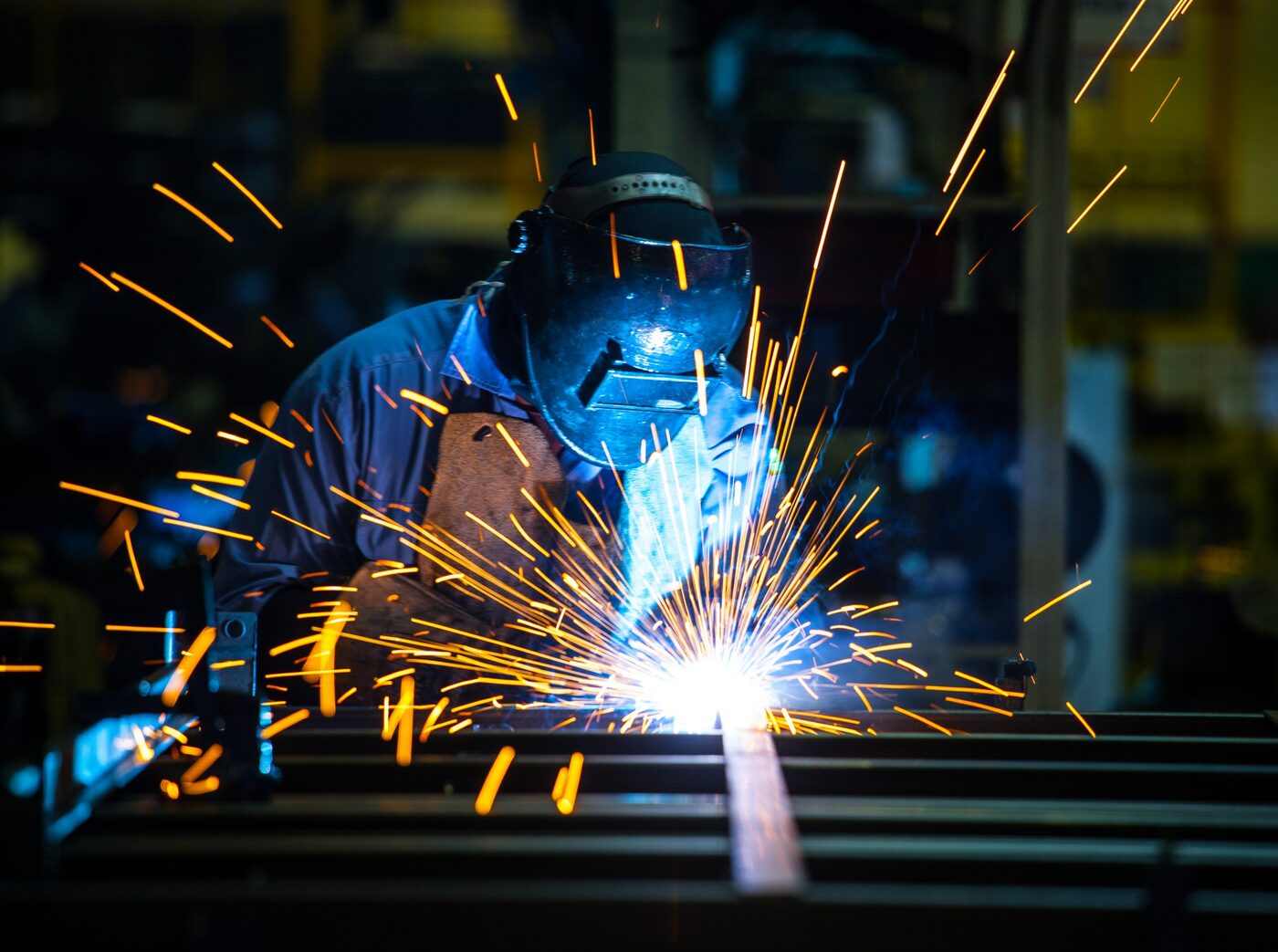
Welding is a key metal joining technique, and at SPM we have the equipment and skill to deliver high-quality welded parts at a competitive price.
Request a QuoteOverview
What we do, who we do it for
Welding is an essential process for building parts and assemblies such as cabinets, frames, and enclosures. From our certified welders to our automated welding and grinding robots, we guarantee the best quality in all aspects of our welding process.
SPM’s welding department supports low-volume prototype work through high-volume production runs, with process certifications that meet structural welding code requirements. Whether you need MIG for thick stock, TIG for precision, or robotic welding for repeatability, the right process is matched to your spec.
Welding Processes
Two welding processes, certified results
Spot Welding
One method of welding is Spot Welding, also known as Resistance Spot Welding (RSW). Spot Welding does not require filler material, and instead works by using an electrical current to generate heat. This method of welding is best suited for materials with low thermal conductivity that will generate enough conductive metal to bond the metal together. Because of this, low carbon steel is one of the most suitable materials for Spot Welding. Spot Welding is best for high production volumes of parts.
Stud Welding
Stud Welding covers a range of welding techniques including Drawn Arc Stud Welding, Short Cycle Stud Welding, and Capacitor Discharge Stud Welding, which all produce strong welds. Stud Welding works by creating an electric arc between a fastener (stud) and the parent material. Stud Welding is a more flexible and economical choice than Spot Welding for a range of welding operations, and is also more versatile in the use of materials.
Critical Tolerances
Engineering specs
Critical tolerances and process certifications for SPM’s welding operations. Tighter values available on request.
| Parameter | Range | Notes |
|---|---|---|
| Hole diameter | ±0.005″ | Critical tolerance |
| Hole-to-hole center | ±0.005″ | Critical tolerance |
| Flange dimensions | ±0.010″ | Standard |
| Overall formed / welded | ±0.030″ | Standard |
| Spot Welding | Resistance method, no filler | Best for low-carbon steel, high volume |
| Stud Welding | Drawn Arc / Short Cycle / Capacitor Discharge | Versatile across materials |
| Certifications | AWS D1.3 Structural Welding Code – Sheet, ISO 9001 | Process certifications |
Equipment Spotlight
On the welding floor
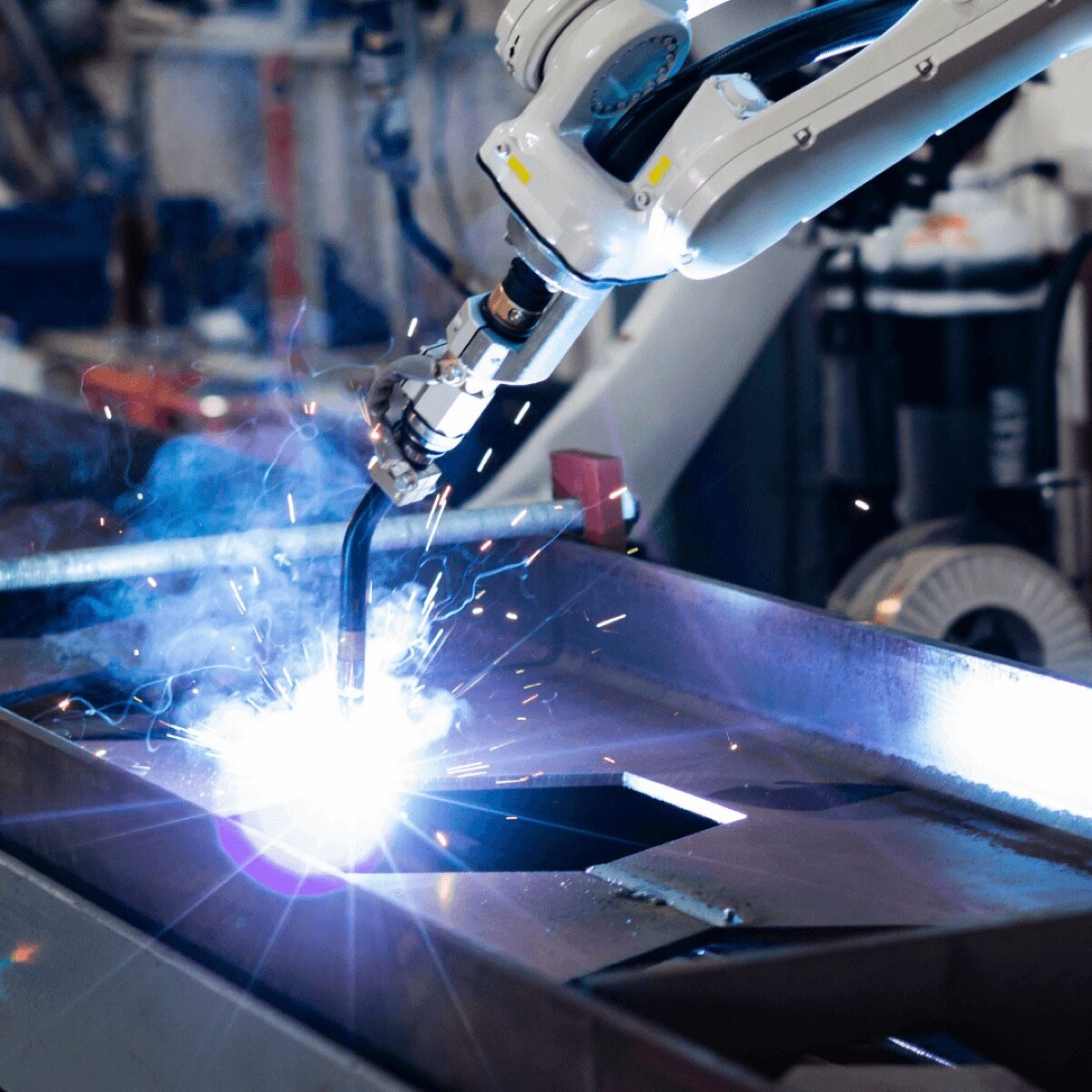
Automated
Robotic Welding Cell
Robotic precision welding with consistent bead quality across high-volume production runs.
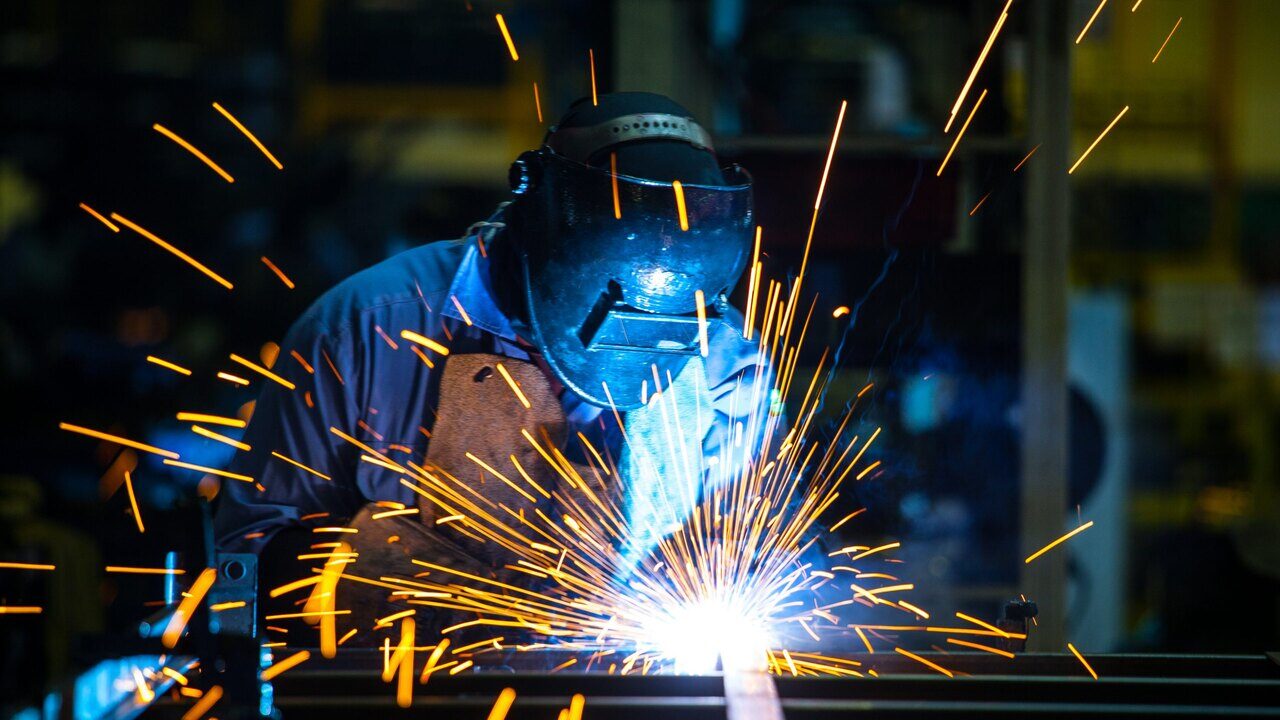
Manual
Manual TIG/MIG Station
Certified welders handle low-volume, prototype, and repair work with full process flexibility. AWS D1.3 trained.
Industries We Serve
Where SPM’s welded assemblies land
Industrial Automation
Cobot enclosures, robot bases, and integrator cell components.
Learn more →Electrical & Electronics
NEMA enclosures and populated panels with passive devices in-house.
Learn more →Oil, Gas & Energy
Field equipment skids, control panels, and rugged enclosures.
Learn more →Power Generation & Utilities
Generator enclosures, switchgear cabinets, and utility equipment housings.
Learn more →Transportation
Rail, transit, and fleet aftermarket fabrications.
Learn more →Test Systems & Equipment
Fixtures, frames, and enclosures for bench and production test.
Learn more →Related Capabilities
Pairs well with
Precision Sheet Metal Fabrication
Our punching, forming, and laser cutting departments deliver quality-assured parts with lights-out automation capabilities.
Explore →Electro-Mechanical Assembly
We support a wide variety of panel and enclosure assemblies that can also be populated with passive devices in-house.
Explore →Powder Coating
Our painting and powder coating services provide a wide range of durable finishes and textures.
Explore →FAQ
Frequently asked
What welding processes does SPM offer?
What welding tolerances does SPM hold?
What welding certifications does SPM hold?
What's the difference between Spot Welding and Stud Welding?
What is AWS D1.3?
Have a project to quote?
Send us your specs. We’ll respond within one business day.